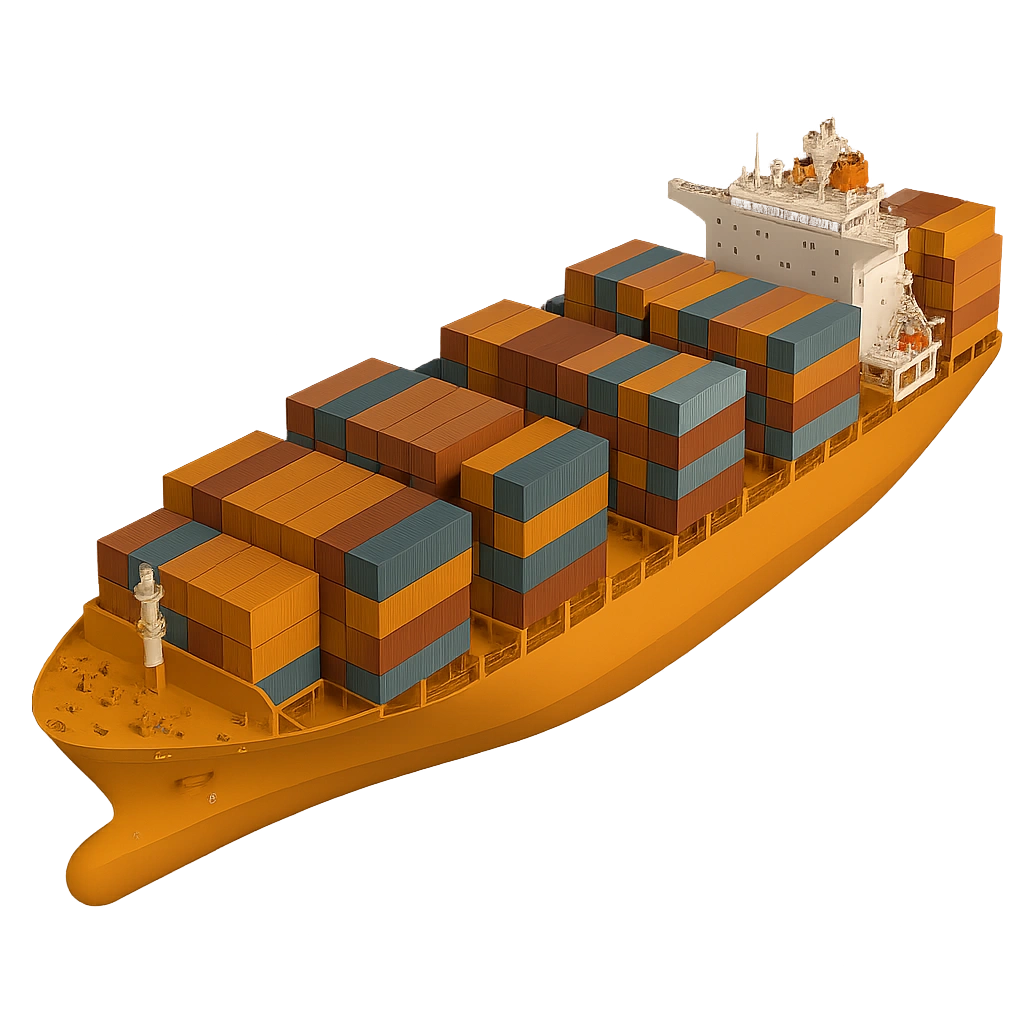
How to Import Machinery from China Without Putting Your Business at Risk
A practical guide to sourcing Chinese machinery while meeting Australia’s strict safety and compliance requirements.
If you’re an Australian manufacturer, sourcing machinery from China is probably an idea you've considered before, and for good reason. Chinese machinery often provides the desired functionality for a low initial cost. However, this excellent price can come at the expense of substantial compliance risks that can expose you to more than you may have been expecting.
Australia has some of the world’s most stringent machinery safety requirements. This serves to provide employees the confidence that they are safe where they work, helps to minimise production downtime, and aims to avoid significant legal consequences for both you and your business.
Sourcing machinery from China, while prone to compliance concerns, can be done with lower risk if you know what your legal obligations are and how to ensure they are met. Follow this guide to find out how!
What's in this guide?
1. What you need to know
2. Your responsibility as the importer
3. The cost of non-compliance
4. Why compliance is not often met
5. 4 ways to reduce your risk
6. The benefits of going local
7. Conclusion
1. What you need to know
Legislation
In Australia, businesses have an obligation to ensure their machinery abides by Australian statutory requirements. These are outlined at a high level in each state and territory’s Work Health and Safety (WHS) legislation.
Standards
The WHS legislation does not provide a detailed description of how machinery should be designed to achieve the requirements set out. This is where Australian Standards come in and provide instruction on how to meet the requirements for compliant machinery. Australian standards are largely based off the globally recognised ISO standards but with a few tweaks and additions to better suit our unique place in the world. The primary Australian Standard used for this is AS 4024:2019, which covers the general process and details of designing safe machinery. Some special types of machinery are also covered in more detail by other standards, including
AS 3000 for electrical installations;
AS 1210 for the design and construction of pressurised equipment;
AS 4991 for lifting equipment;
and many more.
2. Your responsibility as the importer
Under Australia’s WHS laws, anyone who imports machinery from overseas has a legal requirement to ensure that the equipment is without risk to the health and safety of others, even though they are not the designers or manufacturers of the equipment. The legislation makes it clear that if you import machinery, you then essentially take on the same responsibilities as the machine designers and builders. This is primarily because international suppliers aren’t covered by Australia’s jurisdiction and can’t be prosecuted. If the equipment does not follow the Australian standard for machine design, you as the importer are held solely responsible for any consequences that might follow as a result, with the supplier remaining unaffected.
Here's an example to drive home this crucial point
An Australian beverage company installs a bottling line imported from China without checking it against WHS laws or Australian machine‑design standards. A worker is injured after reaching into an unguarded conveyor because the line lacks compliant interlocked guarding. Investigators find the defects existed before import, and the importer is prosecuted under the WHS legislation for supplying unsafe machinery. The court issues heavy penalties, underscoring that importers, not overseas suppliers, bear full responsibility for ensuring machinery is safe before it is used in any workplace.
3. The cost of non-compliance
Prosecution
WHS compliance is actively enforced throughout Australia by regulators, who have the rights to enter workplaces (even without notice on some occasions) to carry out compliance inspections and investigations of businesses. WHS regulators hold the power to execute actions, including:
Issuing of orders, such as prohibition notices (legally binding orders to stop an activity);
Issuing on-the-spot fines;
Seizing dangerous workplaces and items; and
Suspending, cancelling or revoking authorisations, such as permits and licenses.
Breaching Australian WHS requirements can carry heavy consequences which may have catastrophic impacts on you and your business. The WHS act outlines these consequences, which include large fines of up to $10m for body corporates or up to $5m and 20-years’ jail time for individuals in severe cases.
Safety concerns
Australian standards cover specifics of machine design that prevent against mechanical, electrical and ergonomic hazards, as well as many other sources of risk. Using non-compliant equipment can mean that you are exposing yourself and your workers to unprotected hazards, which can have devastating effects.
Mechanical hazards often result from inadequate guarding or safety system design. Without compliant protection in place, people are exposed to sources of danger that can lead to crushing, entanglement or amputation.
Electrical hazards can result from non-compliant wiring, inadequate over-current protection, poor electrical insulation or lack of RCDs. Some common dangers that come with this include electric shock and fire risk.
Ergonomic hazards include musculoskeletal injuries, which may result from a machine’s requirement for a worker to use excessive force or awkward working positions.
When using non-compliant machinery, even one mistake can have life-long consequences for you or your workers.
Difficulty in reselling your equipment
When the time comes to resell your machinery to fund your next move or upgrade, you’ll likely have difficulty in doing so if your equipment is non-compliant.
Reselling new or used machinery makes you a supplier under the WHS act and are therefore required to ensure that the machinery is compliant. Reselling equipment that does not meet legislative requirements can lead to prosecution.
Australian buyers of machinery are also responsible under the WHS Act to ensure any equipment purchased is compliant before use. This makes purchasing non-compliant equipment a risky and unattractive option for buyers.
If your machinery does not meet WHS legislative requirements, you may be unable to resell your equipment until you spend the time and money to rectify the sources of non-compliance.
4. Why compliance is not often met
Machinery supplied from Chinese companies often does not comply with Australia’s compliance requirements for reasons including those outlined below.
Unfamiliarity with Australian Standards
China enforces its own standards (the GB standard) for use when designing machinery. This differs significantly from ISO and Australian Standards. Although you may specify to the supplier which standards to follow when they design and build the equipment, they’re often unfamiliar with the extensive standards used in Australia and may miss many design requirements needed to meet compliance. With no legal requirement in China to supply machinery which meets ISO or Australian standards, it’s safest to assume the equipment may be non-compliant.
Low-grade materials
To remain as cost-effective as possible and increase margins, Chinese suppliers regularly use cheaper and lower-grade materials and components in their machinery that allow it to function, however, do not meet the statutory requirements in Australia.
Counterfeit components
The use of counterfeit components in machinery supplied by Chinese companies is a major ongoing issue and one to be aware of. Counterfeit components can appear identical to components supplied by reputable brands, such as Siemens and Rockwell Automation, even being accompanied with documentation and certificates appearing legitimate. Often these components come with many reliability and safety concerns and do not meet Australian compliance requirements.
Chinese suppliers may not even be aware that the components they have used are counterfeit, adding to the risk that they’ll end up in a machine supplied to you.
5. 4 ways to reduce your risk
To source machinery from China, while meeting your obligation as an importer to provide safe machinery in your business, some steps can be taken to reduce your risk of breaching Australia’s WHS requirements.
1. Find certified suppliers
Choosing a Chinese supplier who has received ISO 9001 certification is one way that you can improve your chances of receiving machinery which is compliant to Australian WHS requirements, or which will require minimal modification to be so. ISO 9001 is the international certification which indicates that a supplier implements processes that allow it to repeatedly deliver products and services which meet customer expectations and follow methodical approaches to managing customer requirements. While an ISO 9001 certification does not guarantee the supplier will meet Australian regulatory requirements, they are more likely to do so if you have clearly defined this as a requirement.
2. Use suppliers experienced in exporting to Australia
Chinese suppliers who regularly export to Australia will likely be more familiar with the regulatory requirements enforced here and may have developed internal processes that help them meet these. Choosing a supplier like this will improve your odds of receiving machinery which better meets Australian compliance, compared with a supplier who is new to exporting to Australia.
Chinese suppliers who regularly ship to Australia will typically have a larger pool of local customers. These customers can be used as references to learn about their experiences with the supplier and any compliance issues they encountered.
3. Carry out third-party inspections and testing
A commonly used method to reduce the risk of machinery being built outside of compliance is to carry out third-party inspections and testing. Companies which operate in China and internationally can be used for this, allowing these services to be performed at the supplier’s factory and before the machinery is shipped. Some of the services which these companies typically offer are:
Inspections before production begins, to audit the production setup and ensure that the materials to be used meet Australian requirements;
Inspections during the production phase, to verify the quality of work, and to catch any compliance issues early on that can be rectified before extensive rework and delays result; and
Inspection and testing of the machinery after production has completed to ensure it functions correctly and meets Australian requirements.
Completing third-party inspections and testing throughout the production process can be an effective way of reducing compliance risks, however caution should still be taken as it is often difficult to inspect every aspect of the machine. This can leave issues missed which only become known once you receive and use the machinery.
4. Resolve issues with local rework
If non-compliant machinery is delivered to Australia, reexporting the product back to the Chinese supplier for rework can be expensive in both time and shipping costs. Using local engineering service providers who are well-versed in the Australian requirements for machine design, such as Thrive Automation, is often the best option to carry out any rework required.
Rework can involve any activities needed to bring the machinery into compliance, and includes:
Inspecting the equipment and accompanying documentation for compliance;
Performing risk assessments, in line with what is required in the Australian Standards for machine design;
Designing any changes that are required;
Building and implementing any modifications or upgrades that are required; and
Verifying that the system meets compliance after the changes have been made.
6. The benefits of going local
Sourcing machinery from Australian suppliers eliminates the compliance risks that come with importing machinery from Chinese suppliers. Australian suppliers, like Thrive Automation, not only ensure compliance is met but avoid additional costs of rework that regularly needs to be included alongside the initial cost of Chinese-supplied machinery. Some key benefits of using Australian suppliers include that:
They operate under the Australian jurisdiction and therefore have a statutory obligation to provide compliant machinery under the WHS legislation;
They are intimately familiar with Australian safe machine design requirements;
Materials and components are sourced from verified providers, avoiding compliance and quality issues that result from counterfeit components and low-grade materials; and
They offer local expertise and technical support, avoiding long breakdown times.
By using a trusted local partner, you can protect yourself and your business from the risks that come with importing machinery from Chinese suppliers. Thrive Automation understands the challenges manufacturers face with meeting compliance and overcome these by providing engineering services in industrial automation and robotics that are suited to Australia’s statutory requirements. Some key services commonly provided include:
Designing modifications for existing machinery to add new functionality or resolve persistent issues;
Integrating systems to work together, providing complete end-to-end process autonomy;
Designing and delivering full custom robotic and automated solutions tailored to unique requirements; and
Managing machinery upgrades or new installations from start to finish, including sourcing, integrating, commissioning, and everything in between.
Conclusion
While importing machinery from Chinese suppliers can be an enticing option for Australian businesses, there are significant compliance risks involved which can carry severe consequences for the importer. Methods that help to reduce these risks can be used, however they do not guarantee that compliance requirements will be met, or that costly rework will not be required once the equipment has been received.
By using a trusted local partner like Thrive Automation, you can protect yourself and your business from the risks of using non-compliant machinery.
Let's Connect
Book your free consultation today!